As companies expand, they become more attractive targets for cyber threats. Implementing a strong cybersecurity strategy is essential. The Cyber Essentials framework offers guidance to help businesses protect against common online attacks. This article outlines the Cyber Essentials checklist for growing companies.
Understanding Cyber Essentials
Cyber Essentials is a UK government-backed scheme. It provides a clear set of cyber security controls that organizations should implement. The goal is to secure systems and data from cyber threats. Achieving Cyber Essentials certification demonstrates to customers and partners that a business takes cybersecurity seriously.
The Importance of Cyber Security
For growing companies, cyber security is crucial. Data breaches can harm a company’s reputation. They can lead to financial loss and cause customers to lose trust. Increasing cyber threats make it necessary for businesses to prioritize security. Understanding the risks and implementing security measures can protect a company’s assets.
Key Areas of the Cyber Essentials Checklist
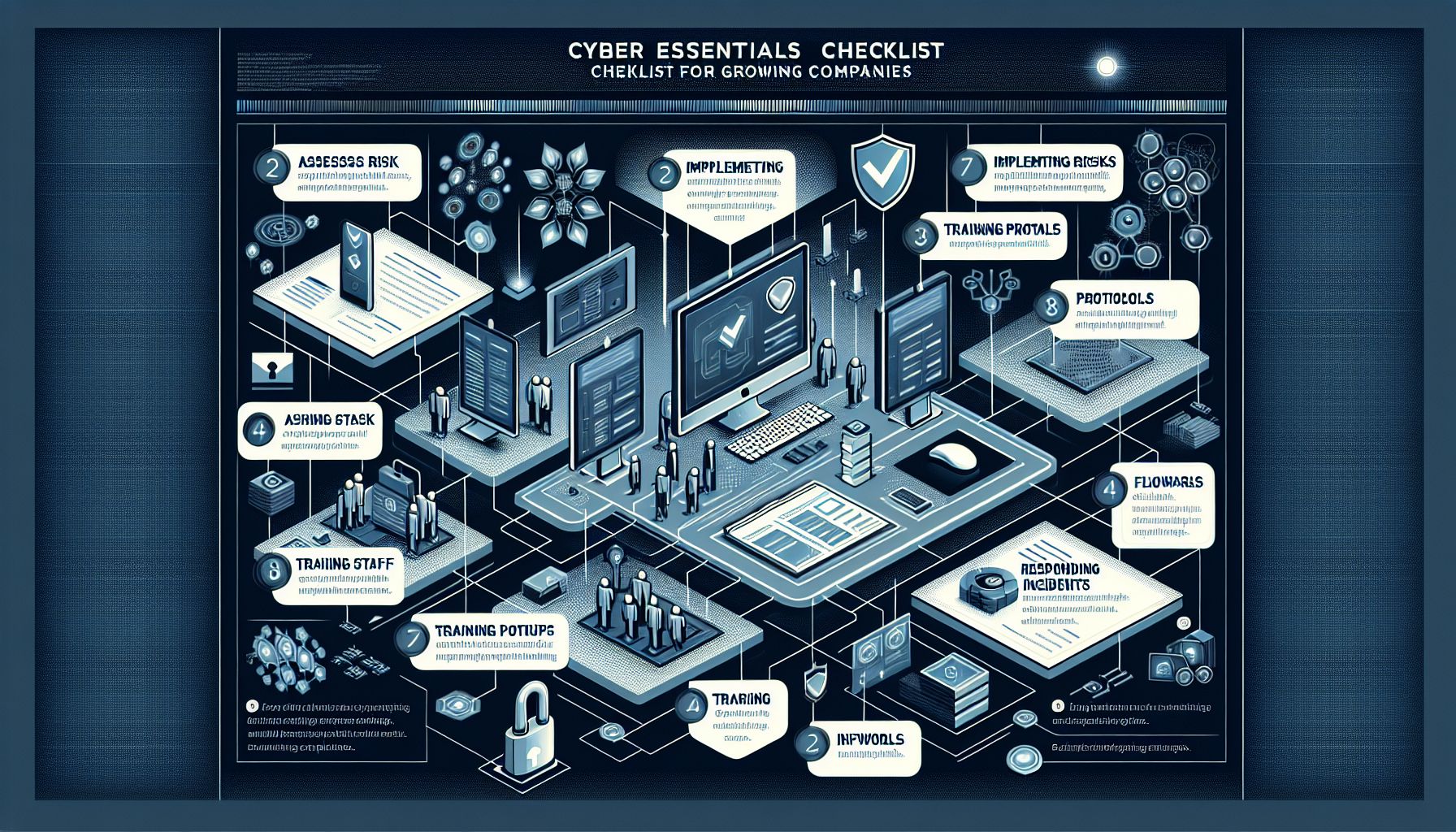
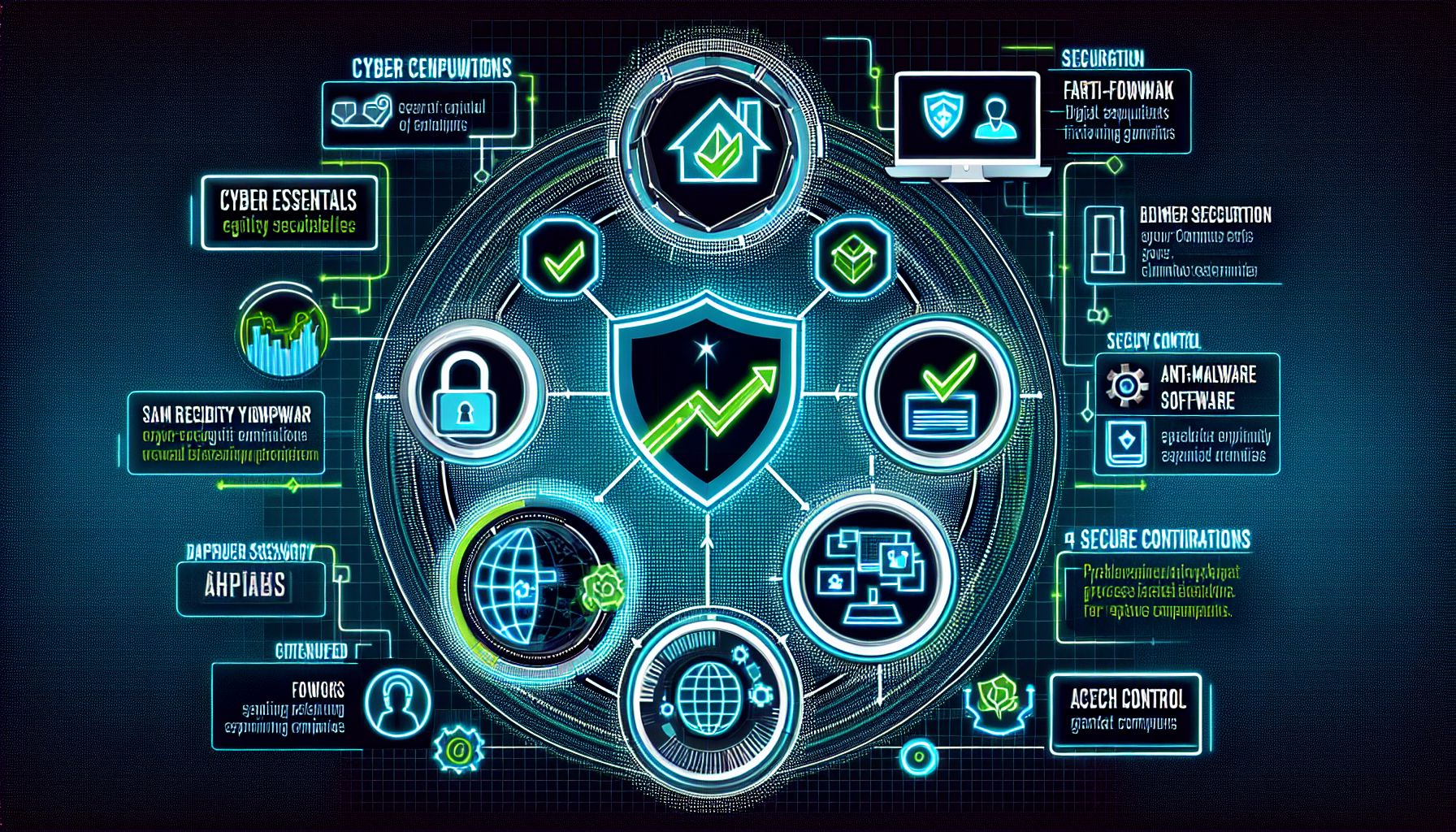
The Cyber Essentials checklist consists of five key areas. Each area includes security measures that organizations should follow.
1. Secure Your Internet Connection
A secure internet connection is the foundation of cybersecurity. These measures help safeguard your network:
- Use a firewall to protect your network.
- Ensure that all devices are connected through secure Wi-Fi.
- Restrict access to your network with suitable passwords.
Implementing these practices creates a safer online environment. Regularly review your firewall settings and update your passwords to keep them strong.
2. Protect Your Devices and Software
It is essential to keep all devices updated and secure. Follow these steps to protect your systems:
- Install antivirus software on all devices.
- Keep operating systems and software updated to patch vulnerabilities.
- Set devices to update automatically whenever possible.
Ensuring that your devices and software are consistently updated minimizes exposure to attacks.
3. Control Access to Your Data
Controlling access to sensitive data is vital. Take the following actions to enhance access control:
- Limit access to data based on roles within the company.
- Use strong passwords and enable multi-factor authentication.
- Regularly review and update permissions for users.
By controlling who can access sensitive information, you reduce the risk of data breaches.
4. Secure Your Data
Data security protects against loss or theft. These steps can help secure your data:
- Regularly back up data in multiple locations, including offsite storage.
- Use encryption for sensitive information in storage and during transmission.
- Monitor data access logs for any suspicious activity.
Data security measures increase the chances of data recovery in case of an incident.
5. Respond to Security Incidents
Having a response plan is essential for dealing with potential security incidents. Develop a plan that includes:
- Identifying roles and responsibilities during an incident.
- Establishing a communication strategy for internal and external stakeholders.
- Conducting regular drills to ensure that your team is prepared.
A well-prepared response plan reduces the impact of a security incident on your organization.
Benefits of Achieving Cyber Essentials Certification
Achieving Cyber Essentials certification has several advantages:
- Increased Trust: Certification shows customers and partners that you prioritize cybersecurity.
- Reduced Risk: Implementing the checklist helps mitigate common cyber threats.
- Competitive Advantage: Certification distinguishes your company in a crowded marketplace.
Certification can enhance your company’s credibility and boost customer confidence. As a result, you may attract more business opportunities.
Challenges of Implementing Cyber Essentials
While the benefits are clear, implementing Cyber Essentials can pose challenges:
- Resource Allocation: Smaller companies may lack the resources needed for comprehensive security.
- Staff Training: Staff may require training to understand security protocols and best practices.
- Ongoing Maintenance: Security is not a one-time task; continuous monitoring and updates are necessary.
Addressing these challenges requires planning and commitment from leadership. Investing time and resources in these areas strengthens overall security.
Real-World Examples of Cyber Essentials Implementation
Several companies have benefited from Cyber Essentials certification:
-
Small Retailer: A small retailer implemented Cyber Essentials measures after experiencing a data breach. They secured their internet connection, installed antivirus programs, and provided staff training. Following these changes, the retailer reported a significant decrease in cyber incidents.
-
Tech Startup: A tech startup achieved Cyber Essentials certification before launching its product. This proactive step helped them gain trust from clients and facilitated partnerships with larger organizations that required a security certification.
Conclusion
Understanding and implementing the Cyber Essentials checklist is essential for growing companies. The five key areas—securing your internet connection, protecting devices, controlling data access, securing your data, and responding to incidents—form the backbone of a solid cybersecurity strategy. By achieving Cyber Essentials certification, companies can reduce risks, enhance trust, and gain a competitive edge in their industry.
As cyber threats continue to rise, prioritizing cybersecurity can lead to sustainable growth and success.