
In today’s digital age, small businesses face significant risks from cyber threats. Cybersecurity is not only for large companies. Small businesses must also put measures in place to protect their data and systems. This article discusses practical cybersecurity strategies small businesses can implement to safeguard their operations.
Understand Cyber Threats
Before creating a cybersecurity plan, small business owners must recognize common cyber threats. These include:
- Phishing: Fraudulent emails or messages trick users into providing sensitive information.
- Malware: Malicious software that can damage or disrupt systems.
- Ransomware: Software that locks files and demands payment for release.
- Data Breaches: Unauthorized access to confidential information.
Understanding these threats helps businesses prepare effective responses.
Assess Your Risks
Small businesses should evaluate their cyber risks. This involves identifying valuable assets, such as customer data and intellectual property. Employees should also be part of this assessment. Human error is a significant factor in data breaches. Understanding the specific risks allows businesses to prioritize their cybersecurity efforts.
Create a Cybersecurity Policy
A cybersecurity policy is a crucial document that outlines security measures for the organization. This policy should include:
- Acceptable Use Policy: Guidelines for how employees use company devices and networks.
- Data Protection Measures: Steps to safeguard sensitive data, such as encryption or access controls.
- Incident Response Plan: Procedures for dealing with data breaches or cyber incidents.
Make this policy clear and accessible to all employees. Ensure that everyone understands their role in maintaining cybersecurity.
Train Employees Regularly
Employees are often the first line of defense against cyber threats. Regular training helps educate them about security practices. Training can cover:
- Recognizing phishing attempts.
- Creating strong passwords.
- Safeguarding personal devices.
- Reporting suspicious activities.
An informed workforce reduces the chances of successful cyberattacks.
Use Strong Passwords
Passwords are essential for protecting accounts and systems. Encourage employees to create strong passwords using a mix of letters, numbers, and symbols. Implementing a password manager can help employees generate and store complex passwords securely. Additionally, consider setting up two-factor authentication (2FA) for an extra layer of security.
Keep Software Updated
Outdated software can expose a business to security vulnerabilities. Businesses should regularly update all systems, applications, and devices. This includes operating systems, antivirus software, and firewalls. Enable automatic updates when possible to ensure timely patches for known security flaws.
Back Up Data
Data loss can occur from cyberattacks or hardware failures. Small businesses must back up their data regularly. Use both on-site and cloud backups for maximum protection. A backup plan allows quick recovery in case of an incident, minimizing downtime and loss.
Secure Your Network
A secure network is vital for preventing unauthorized access. Implement these measures:
- Firewalls: Use firewalls to protect your network from outside threats.
- Virtual Private Network (VPN): A VPN encrypts internet traffic, providing a secure connection to remote workers.
- Wi-Fi Security: Change default passwords on routers and use WPA3 security protocols. Disable guest networks if not needed.
Regularly review your network security to ensure it meets current standards.
Monitor Systems and Networks
Constant monitoring of systems helps detect anomalies or breaches early. Use security tools to track system activity. These tools can alert you to suspicious behavior, enabling quick response. Consider hiring a cybersecurity expert if your resources allow. They can provide specialized knowledge and monitoring capabilities.
Limit Data Access
Not all employees need access to all data. Implement role-based access controls (RBAC), allowing employees to access only the information necessary for their job functions. Regularly review and adjust access permissions as roles change.
Develop an Incident Response Plan
An incident response plan outlines steps to take in the event of a cyber incident. This plan should contain:
- Identification: Recognize the type of attack or breach.
- Containment: Stop the spread of the incident.
- Eradication: Remove the cause of the incident from the systems.
- Recovery: Restore data and resume normal operations.
- Post-Incident Analysis: Review the incident to understand what happened and prevent future occurrences.
Testing this plan regularly prepares businesses to respond effectively to real incidents.
Utilize Cyber Insurance
Cyber insurance can provide financial protection against cyber threats. This insurance helps cover costs from data breaches, such as legal fees, notification expenses, and public relations efforts. Small businesses should research policies to find one that suits their risks and budget.
Engage with External Experts
Consider partnering with cybersecurity firms for guidance and support. These experts can provide assessments, recommendations, and additional resources. This partnership can strengthen your cybersecurity posture without needing extensive internal resources.
Foster a Cybersecurity Culture
Building a cybersecurity-conscious culture within the organization is essential. Encourage open communication about security issues. Recognize and reward employees who demonstrate good security practices. A culture that prioritizes cybersecurity helps reinforce the importance of protective measures.
Stay Informed
Cyber threats are always changing. Small business owners should stay informed about the latest cybersecurity trends and threats. Regularly read industry updates, attend seminars, or join professional groups. Knowledge of emerging threats helps businesses adapt their strategies accordingly.
Conclusion
Cybersecurity is critical for small businesses. Implementing a comprehensive cybersecurity strategy protects data, systems, and reputation. By understanding threats, assessing risks, training employees, and establishing policies, small businesses can create a secure environment. Cybersecurity is ongoing, requiring vigilance and adaptation to protect against new threats.
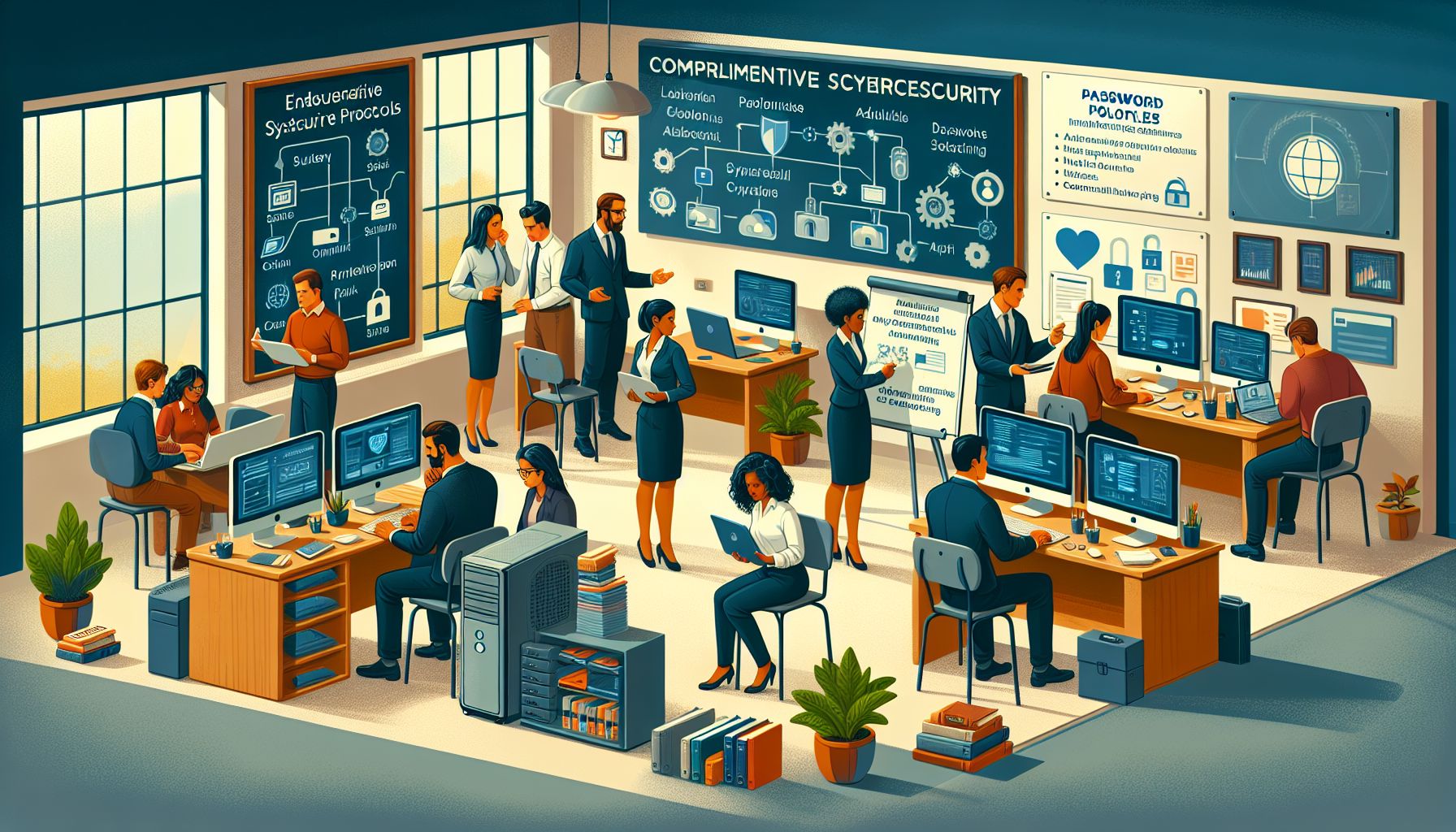
By following these strategies, small businesses can build a strong defense against cyber threats and ensure their longevity in a digital world.