
Establishing an Information Security Management System (ISMS) under ISO 27001 can seem overwhelming for new companies. This checklist simplifies the requirements and provides clear steps to help start the process.
Overview of ISO 27001
ISO 27001 is an international standard that outlines how to manage information security. It provides a framework to protect sensitive data and support risk management. Companies that comply with ISO 27001 gain trust from customers and partners.
Understanding the ISMS
An ISMS is a systematic approach to managing sensitive company information. It combines people, processes, and IT systems to protect and secure information. An effective ISMS helps identify, manage, and mitigate security risks.
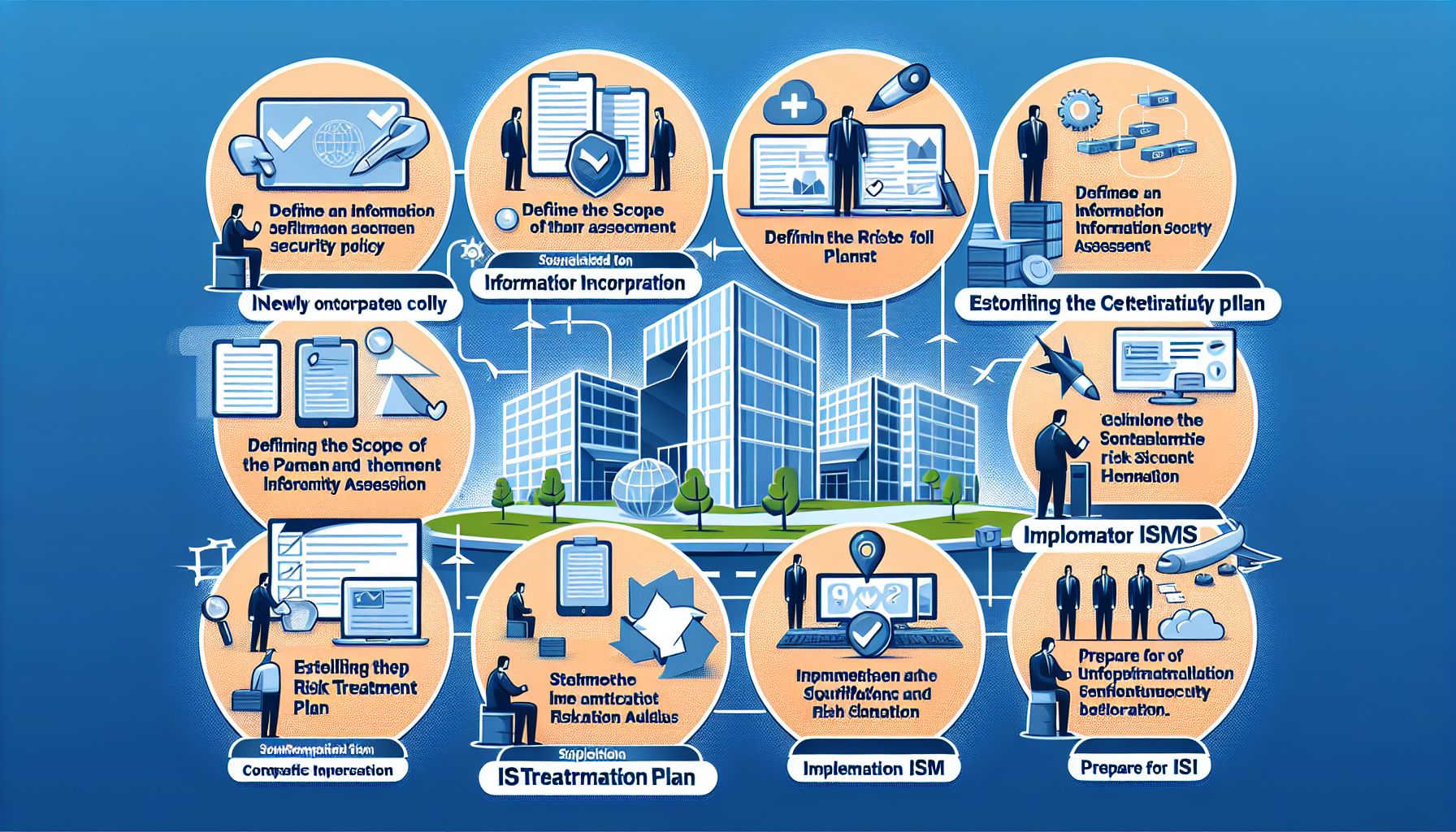
Quick ISO 27001 Checklist
Use the following checklist to help with ISO 27001 compliance:
1. Define the Scope of the ISMS
- Identify what information the ISMS will cover.
- Determine the boundaries and applicability of your ISMS.
2. Conduct a Risk Assessment
- Identify potential security risks.
- Assess the impact and likelihood of each risk.
- Document the risk assessment results.
3. Establish Information Security Policies
- Create a clear information security policy.
- Ensure the policy supports business objectives.
- Get approval from management.
4. Identify and Address Security Controls
- Determine the security controls needed to address identified risks.
- Implement controls based on the risk assessment.
- Document how each control works.
5. Set Objectives for the ISMS
- Define measurable objectives for information security.
- Ensure objectives are aligned with business goals.
6. Assign Roles and Responsibilities
- Designate a management representative for the ISMS.
- Clearly define the roles and responsibilities of all staff.
7. Train Employees
- Provide training on information security policies and procedures.
- Regularly update training materials to keep staff informed.
8. Document Processes and Procedures
- Create and maintain documentation for the ISMS.
- Ensure documentation is accessible and up to date.
9. Monitor and Measure Performance
- Regularly monitor the effectiveness of the ISMS.
- Use tools and metrics to measure performance.
- Adjust processes based on findings.
10. Conduct Internal Audits
- Schedule regular internal audits to check compliance with ISO 27001.
- Follow up on audit findings and take corrective actions.
11. Manage Non-conformities and Corrective Actions
- Identify and document non-conformities.
- Develop corrective action plans for each non-conformity.
- Monitor the effectiveness of corrective actions.
12. Review and Improve the ISMS
- Conduct regular management reviews of the ISMS.
- Identify areas for improvement and implement changes.
- Stay informed about changes in laws and regulations affecting information security.
Benefits of ISO 27001 Certification
Achieving ISO 27001 certification provides numerous advantages:
Trust and Credibility
ISO 27001 certification enhances your company’s reputation. Customers and partners feel more secure when they know you follow international standards.
Legal Compliance
Companies often face legal and regulatory obligations regarding data protection. ISO 27001 helps you meet these requirements.
Improved Risk Management
Adopting an ISMS allows for better risk identification and mitigation. This proactive approach minimizes security incidents.
Competitive Advantage
Many businesses require ISO 27001 certification from their partners. Being certified can open doors to new opportunities.
Employee Awareness
Training employees on information security raises awareness. This reduces the likelihood of human error leading to security breaches.
Challenges of Implementing ISO 27001
While the benefits are clear, challenges may arise. Here are some common ones:
Resource Intensive
Establishing an ISMS requires time and resources. New companies must allocate sufficient personnel and financial resources.
Resistance to Change
Employees may resist new policies and procedures. Clear communication about the importance of security can help mitigate resistance.
Continuous Improvement
ISO 27001 requires ongoing commitment and improvement. This means companies must consistently monitor and update their ISMS.
Examples of ISO 27001 Implementation
Company A: Successful Implementation
Company A, a small tech startup, opted for ISO 27001 certification early on. They defined their ISMS scope clearly, conducted thorough risk assessments, and established strong security policies. The result was increased customer trust and a 20% rise in business within the year.
Company B: Facing Challenges
Company B, an e-commerce platform, struggled with ISO 27001 implementation. They faced resource limitations and employee resistance. They resolved these issues by investing in consultant expertise and providing extensive employee training. After overcoming initial hurdles, they achieved certification and increased their client base significantly.
Conclusion
Implementing ISO 27001 is vital for new companies that handle sensitive data. Following this checklist helps structure the setup of an effective ISMS. With careful planning, training, and commitment to continuous improvement, businesses can enjoy the benefits of certification. This process ensures better security, compliance, and trust, paving the way for future growth.
By taking proactive steps towards information security, companies can safeguard their operations and inspire confidence among stakeholders. Striving for ISO 27001 certification is a clear statement of a company’s dedication to maintaining data security and integrity.