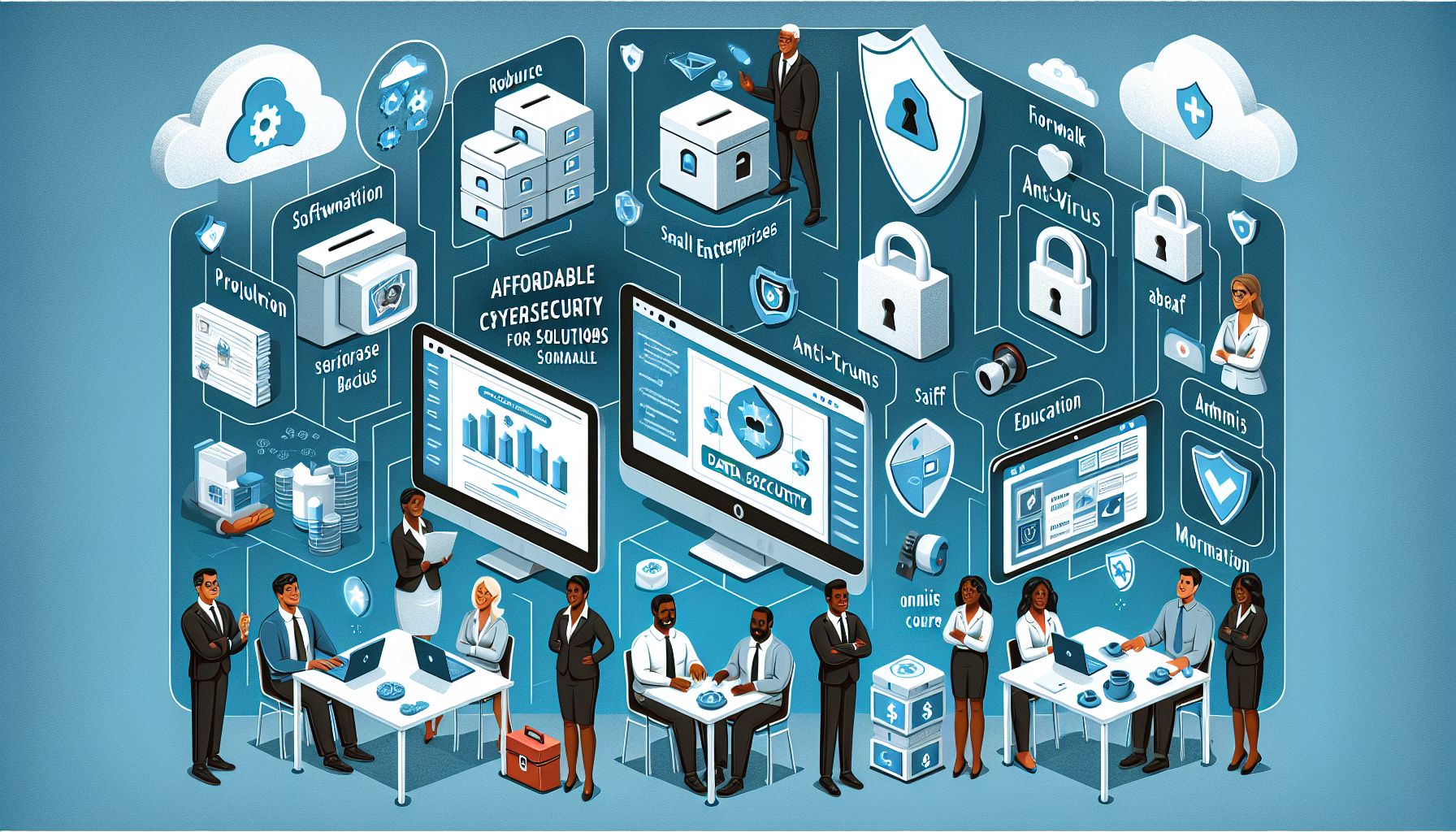
Small enterprises face many challenges in today’s digital landscape. One of the most pressing issues is cybersecurity. Cyber threats can derail a small business’s operations and harm its reputation. Fortunately, affordable cybersecurity solutions exist that can help protect small enterprises without breaking the bank.
Understanding Cybersecurity Needs
Every business, regardless of size, is at risk of cyber attacks. Small enterprises often have limited resources and staff, making them attractive targets. Understanding the basic cybersecurity needs can help small businesses prioritize their investments. Key areas include network security, data protection, and employee training.
Network Security
Network security defends internal networks against unauthorized access. It is crucial for all businesses, especially small ones, as they often use shared networks and devices. Basic measures include firewalls, intrusion detection systems, and secure configurations. Many affordable firewall software options are available, catering to small businesses.
Data Protection
Data protection involves safeguarding sensitive information, such as customer details and financial records. Small enterprises should implement data encryption and secure backup solutions. Affordable options include cloud-based storage services that offer encryption and automatic backups.
Employee Training
Employees can be the weakest link in cybersecurity. Poorly trained staff may unintentionally expose the business to threats. Investing in employee training can provide significant returns. Workshops and online courses on cybersecurity awareness are affordable and effective. Teaching employees to recognize phishing scams and avoid risky behavior is essential.
Affordable Cybersecurity Solutions
Here are some specific affordable cybersecurity solutions tailored for small businesses:
1. Firewalls
Firewalls protect networks by filtering incoming and outgoing traffic. Small enterprises can use both hardware and software firewalls. Many software firewalls are budget-friendly and easy to install. Examples include Comodo Firewall and ZoneAlarm. These tools help block unauthorized access and provide alerts about suspicious activity.
2. Antivirus Software
Antivirus software protects computers from malware and viruses. Options like AVG and Avast offer free versions with basic protection. Paid versions provide more features like real-time scanning and malware removal, but even the free versions are helpful. Regular updates and scans can significantly reduce risk.
3. Virtual Private Networks (VPNs)
VPNs offer secure connections to the Internet. They encrypt data and protect against interception. Small businesses can benefit from VPNs when employees work remotely. Affordable VPN services, such as NordVPN or ExpressVPN, offer reasonable monthly rates. This tool helps maintain privacy and keep business data secure.
4. Cloud Backup Solutions
Regularly backing up data is vital for recovery after a cyber attack. Cloud backup services are affordable and easy to use. Solutions like Backblaze and Carbonite provide automatic backups without hassle. These services store data securely in the cloud, making recovery simple in case of data loss.
5. Password Managers
Password managers help store and manage passwords securely. They can create strong passwords and ensure that employees do not reuse passwords across multiple sites. Services like LastPass and Bitwarden offer free versions, making it easy for small businesses to adopt better password practices.
6. Security Awareness Training
Investing in security training for employees is a cost-effective solution. Various platforms provide online courses on cybersecurity awareness. Examples include Udemy and Cybrary, which offer numerous affordable courses. This training can greatly reduce the risk of human error leading to cyber incidents.
Pros and Cons of Affordable Cybersecurity Solutions
Pros
- Cost-effective: These solutions are generally less expensive than full-blown enterprise solutions.
- Accessibility: Many tools and services are available online, making them easy to research and implement.
- Scalability: Small enterprises can choose solutions that grow with them as their needs change.
Cons
- Limited features: Some budget options may lack essential features or advanced protections.
- Training requirements: Employees may still require training to maximize the effectiveness of implemented solutions.
- Initial setup: Some tools may require time or expertise to set up correctly.
Case Studies of Small Enterprises
Case Study 1: Local Retail Store
A small retail store implemented a combination of free antivirus software, a basic firewall, and a cloud backup solution. They also provided security awareness training for their employees. As a result, they reported a 70% decrease in phishing attempts and improved data security. This proactive approach significantly improved their overall security posture without incurring high costs.
Case Study 2: A Digital Marketing Agency
A digital marketing agency opted for a VPN solution for its remote employees. They recognized the need to protect sensitive client data accessed outside of the office. By using an affordable VPN service, they maintained client confidentiality and improved trust. With regular employee training, they also successfully reduced potential entry points for cyber incidents.
Future Considerations for Small Enterprises
As technology grows, so do cyber threats. Small enterprises must continue to adapt their cybersecurity strategies. Regular assessments can help identify vulnerabilities and areas for improvement. Investing in new tools and ongoing training is essential.
Staying Informed
Staying informed about the latest cybersecurity trends is crucial. Small businesses can subscribe to cybersecurity newsletters or follow industry blogs. This practice helps keep them aware of new threats and solutions.
Building a Cybersecurity Plan
Every small enterprise should have a cybersecurity plan. This plan outlines response strategies for potential threats. Simple steps include documentation of company policies and identifying key personnel for security issues.
Conclusion
Affordable cybersecurity solutions are essential for small enterprises. These businesses cannot afford to ignore cyber threats. By investing in basic network security, data protection, and employee training, small enterprises can protect themselves effectively. Resources like firewalls, antivirus software, VPNs, and cloud backups are valuable tools for safeguarding information. As the threat landscape evolves, staying informed and proactive is critical to maintaining cybersecurity. Armed with the right knowledge and tools, small enterprises can thrive in a digital world.