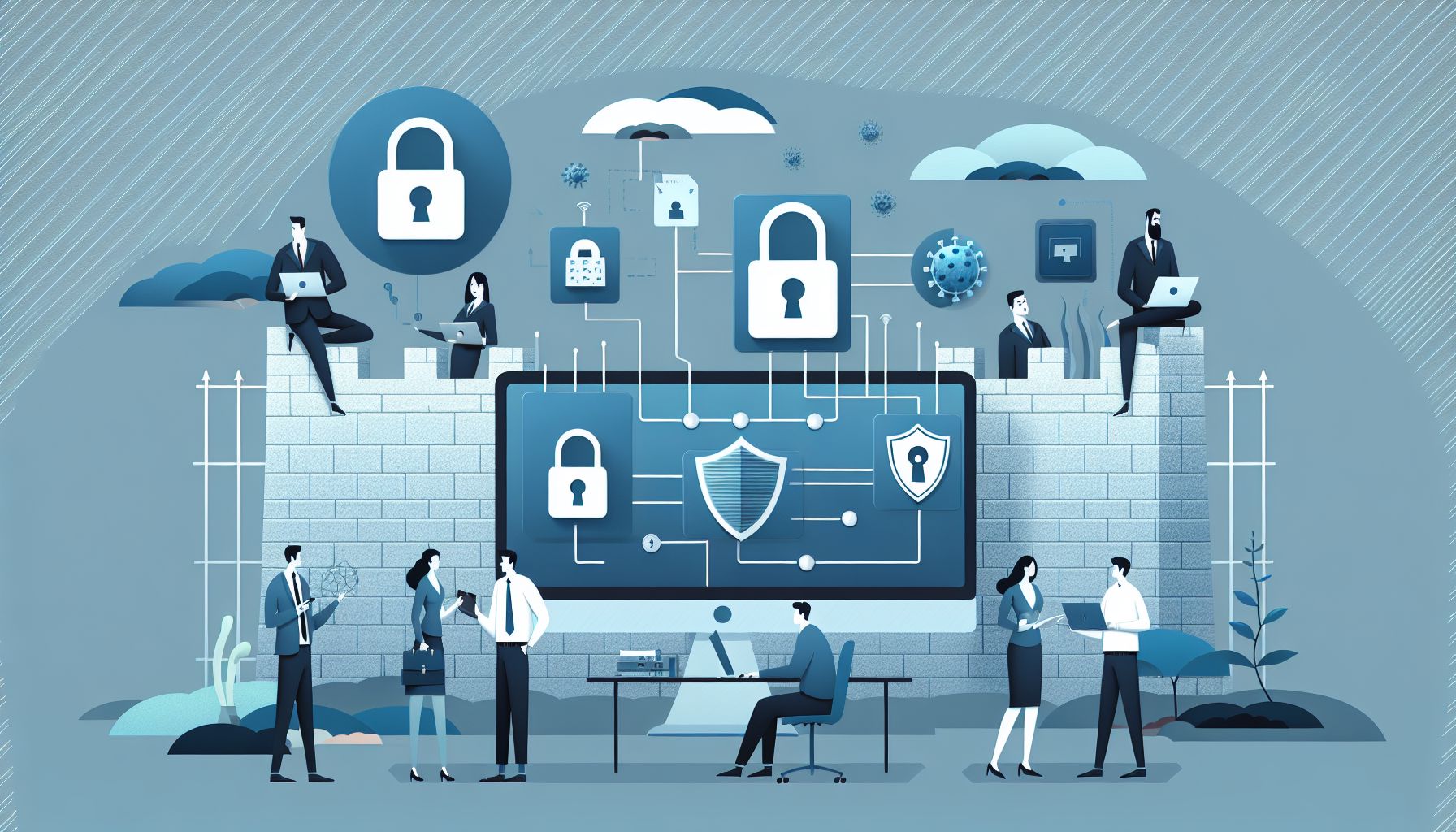
Small businesses face unique challenges. They often lack the budget and resources of larger companies. Despite these limitations, small businesses need to invest in cybersecurity. Cyber threats can harm operations, finances, and reputations. Fortunately, many cybersecurity products cater specifically to small businesses.
Understanding Cybersecurity Needs
Small businesses often handle sensitive customer information, including payment data and personal details. Data breaches or cyber attacks can lead to severe repercussions, including financial loss and legal penalties. Therefore, knowing what products meet their needs is essential.
Types of Cybersecurity Products
Small businesses can choose from various cybersecurity products. Here are some key categories:
1. Antivirus Software
Antivirus software protects against malware, viruses, and other harmful threats. This software scans files and programs for malicious content. It blocks harmful downloads and alerts users to suspicious activity.
Pros:
– Easy to install and use.
– Provides real-time protection.
– Regular updates improve effectiveness.
Cons:
– May require ongoing subscription fees.
– Can slow down system performance.
2. Firewalls
Firewalls act as a barrier between a user’s internal network and external traffic. They filter incoming and outgoing traffic based on predetermined security rules. A firewall protects against unauthorized access and cyber threats.
Pros:
– Controls traffic and prevents unauthorized access.
– Helps monitor network activity.
Cons:
– Configuration can be complicated for some users.
– May not protect against all types of cyber threats.
3. Cloud Security Solutions
Many small businesses use cloud services for data storage and management. However, these services come with security risks. Cloud security solutions protect sensitive data stored in the cloud. They offer encryption and access controls.
Pros:
– Protects data with encryption.
– Makes it easier to manage access rights.
Cons:
– Dependence on the security protocols of the cloud provider.
– Potential cost for additional features.
4. Backup Solutions
Regularly backing up data is essential for small businesses. Backup solutions ensure that data remains safe even after a cyber attack or data loss. They can automate the process of backing up files.
Pros:
– Protects against data loss.
– Reduces downtime after an incident.
Cons:
– May require storage space and resources.
– Not a complete security solution on its own.
5. Security Awareness Training
Employees can unintentionally create security risks. Security awareness training educates staff about best practices for handling cybersecurity issues. This training empowers users to recognize and report suspicious activities.
Pros:
– Reduces the likelihood of human error.
– Enhances overall security awareness.
Cons:
– Requires time and commitment from employees.
– May need periodic updates to remain effective.
Choosing the Right Cybersecurity Products
When choosing cybersecurity products, small businesses should consider several factors:
1. Budget
Small businesses often operate on tight budgets. It is crucial to choose products that fit within financial constraints. Look for solutions that offer good value without compromising security.
2. Ease of Use
Cybersecurity products should be user-friendly. Small businesses often have limited technical expertise. Select solutions with clear instructions and easy setup processes.
3. Scalability
As a business grows, its cybersecurity needs may also change. Choose products that can scale with the business. This flexibility ensures continued protection as operations expand.
4. Customer Support
Good customer support can be invaluable. In case of issues, having access to responsive help can make a difference. Look for products that offer comprehensive support and resources for users.
Examples of Cybersecurity Products for Small Businesses
Several products can help small businesses enhance their cybersecurity. Here are a few options:
1. Norton’s Small Business Security
Norton’s solution offers comprehensive antivirus protection, web protection, and firewall capabilities. It is user-friendly, making it accessible for non-technical users.
2. Kaspersky Small Office Security
Kaspersky provides an integrated solution that combines antivirus, firewall, and backup features. It is suitable for businesses that want all-in-one protection.
3. Acronis Cyber Backup
Acronis focuses on data backup and protection. It offers cloud storage options along with security features to safeguard data stored in the cloud.
4. KnowBe4 Security Awareness Training
KnowBe4 offers various training modules to educate employees about security threats. Their platform includes phishing tests, which help assess and improve employee awareness.
Implementing a Cybersecurity Strategy
Investing in cybersecurity products is only part of the solution. Small businesses should also establish a cybersecurity strategy. This strategy includes several key elements:
1. Assess Risks
Small businesses should regularly assess their cybersecurity risks. Identify potential vulnerabilities and areas needing protection. Understanding these risks helps in choosing the right products.
2. Establish Policies
Create clear cybersecurity policies for employees. Policies should outline acceptable use, password requirements, and procedures for reporting incidents. Ensure all staff members are aware of these policies.
3. Update Software Regularly
Keeping software up to date is critical. Regular updates help protect against known vulnerabilities. Enable automatic updates whenever possible to ensure continuous protection.
4. Ensure Data Backup
Regularly back up all critical data. Tests should confirm that backups work correctly and that data can be restored if needed. A reliable backup plan minimizes the impact of data loss.
Conclusion
Cybersecurity is vital for the health of small businesses. Investing in the right products can protect sensitive data and keep operations running smoothly. By understanding their needs and taking proactive measures, small businesses can mitigate risks. Regular training, clear policies, and the right tools will create a safer environment for everyone involved.
For small businesses, investment in cybersecurity is not just an IT issue; it is a business imperative. Secure operations, protect customer data, and build trust in the marketplace. Don’t wait for a cyber incident to take action. Start today!